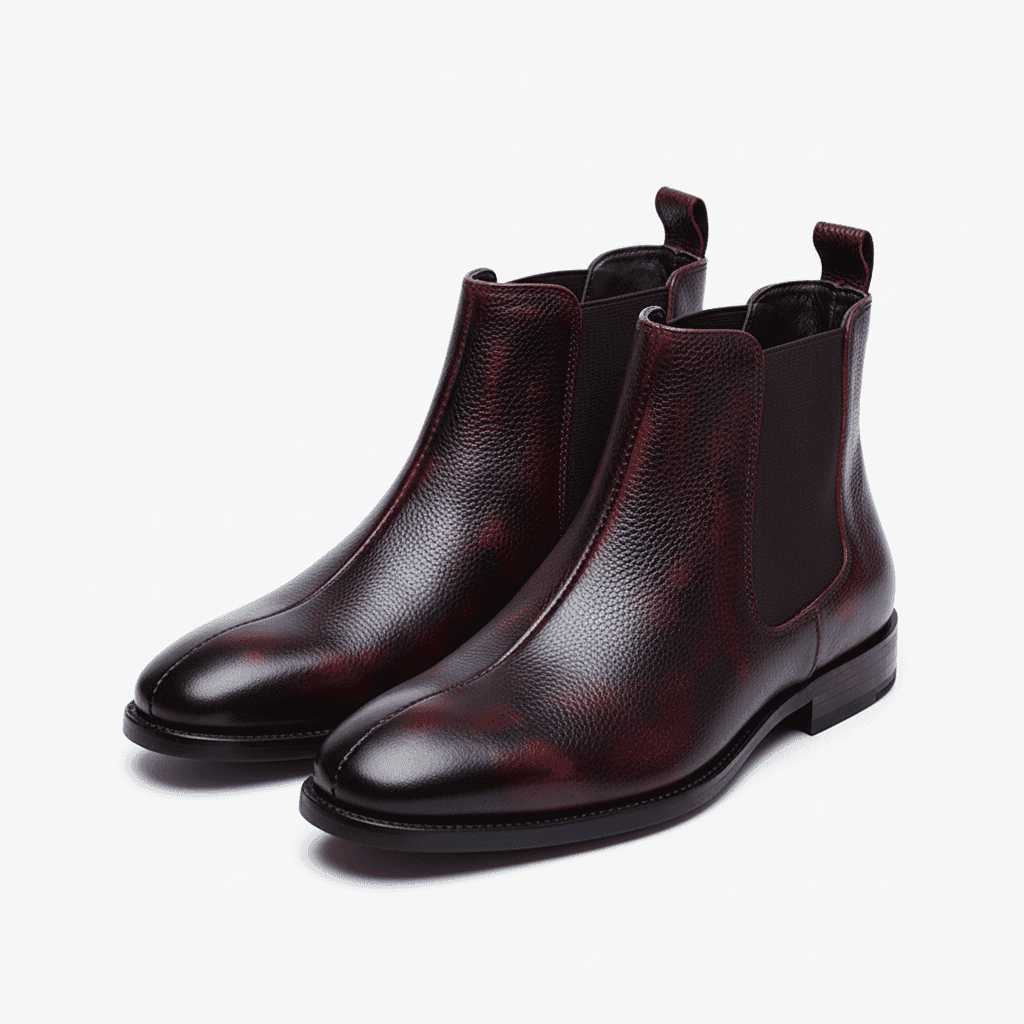
Chelsea Boots in Nepal: How to Style Them Year-Round
The Chelsea boot is the most useful boot for Nepali conditions: it covers the ankle, keeps dust out, goes on in a second, and is smart enough for an office. ## What makes a Chelsea boot different? An ankle-height boot with elastic side panels and no laces, usually with a pull tab at the heel. The elastic is what does the work — it lets the boot fit closely without fastening, so the silhouette stays clean. That closed, laceless design is also why it handles dust well: there is no lacing structure for grit to work into. ## Are they formal or casual? Both, depending on the leather and sole. A black or dark brown Chelsea in smooth full-grain with a slim sole is acceptable in most offices and works with a suit. A tan or textured boot on a chunkier sole reads casual and belongs with denim and chinos. ## How do you wear them? - **With denim**: slim or straight leg, hem just breaking on the boot. Avoid a wide hem bunching over the shaft — it ruins the line the boot exists to create. - **With chinos**: the most reliable combination. Cuff once if the trouser is long. - **With a suit**: dark leather, slim sole, plain toe. Trouser should sit on the boot, not above it. The one rule: the trouser hem should meet the boot. A gap of visible sock defeats the point. ## Do they work in the monsoon? Better than most formal shoes, because the ankle coverage keeps water and mud off your socks. But the elastic panel is the weak point — it is not waterproof and it degrades if repeatedly soaked and dried fast. If you wear them through the monsoon: dry them slowly at room temperature, never near a heater, and condition afterwards. The [leather care guide](https://pomoryleather.com/blog) covers the full routine. ## How should they fit? Snug at the instep, because there is no lacing to adjust. You should need a firm pull on the tab to get them on the first few times — that resistance relaxes as the elastic and leather settle. If they slide on easily when new, they will be loose in a month. Heel slip of a few millimetres is normal at first and disappears as the sole flexes. ## Where to look See the [Chelsea boots](https://pomoryleather.com/products/chelsea-boots) and the rest of the boots in the [Field Engineer selection](https://pomoryleather.com/categories/field-engineer), chosen for durability on rougher ground.
What to Wear to a Nepali Wedding: A Men's Footwear Guide
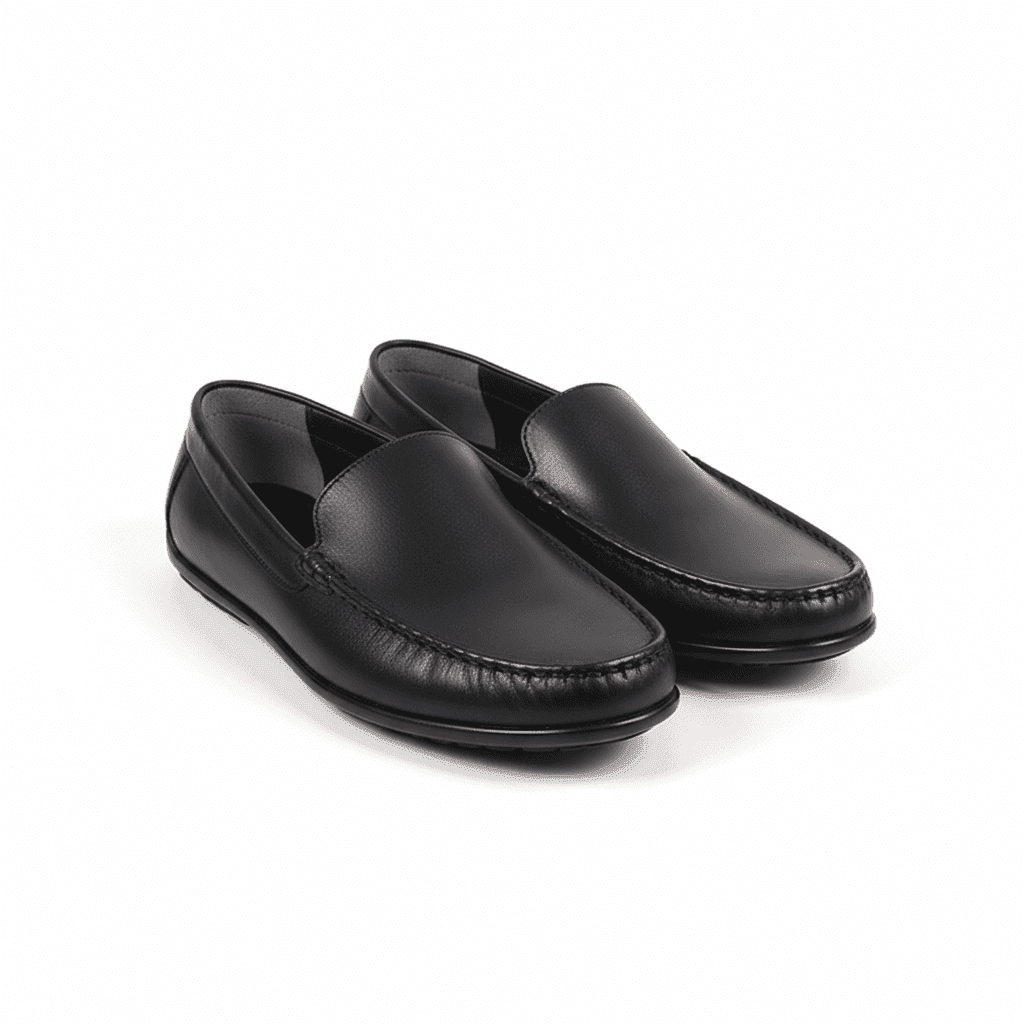
Nepali weddings run long, involve a lot of standing, often move between venues, and frequently include stretches where shoes come off. Footwear choice matters more here than at most formal events. ## What is the safest choice? A **black oxford**. It is correct for every ceremony, works with a suit, a daura suruwal or a sherwani, and never reads as underdressed. If you own one formal pair and a wedding is coming, this is it. A **dark brown oxford or derby** is a strong second option for daytime and garden ceremonies, particularly with tan, cream or lighter formalwear. ## What about with traditional dress? With daura suruwal, a plain black or dark brown leather shoe with minimal detailing is the standard pairing. Avoid heavy brogueing and avoid a chunky sole — the silhouette of traditional dress is clean, and the shoe should follow it. Loafers work for less formal functions and for the daytime events around the main ceremony, and they are considerably easier if you will be removing your shoes. ## The practical problems nobody plans for **You will be on your feet for hours.** Wear a shoe you have already broken in. A wedding is the worst possible occasion for a first outing. **You may have to take them off.** Temples and many homes require it. Laces you can undo quickly, or a loafer, will save you a lot of fumbling. Also: wear socks you are happy to be seen in. **Venues are often dusty or unpaved.** A leather sole is elegant and slippery on marble and useless on gravel. If you know the venue is rough, choose a rubber or combination sole. **It may rain.** Condition your shoes a few days before, not the morning of — the leather needs time to absorb it. ## A simple rule Match your shoe to your belt, keep the leather polished, and choose comfort over novelty. Nobody at a wedding has ever admired an unusual shoe as much as they have noticed a scuffed one. ## Where to start The [Executive category](https://pomoryleather.com/categories/executive) covers the oxfords and derbies appropriate for ceremonies. Give yourself at least two weeks to break a new pair in — see [breaking in leather shoes](https://pomoryleather.com/blog) — and confirm your size with the [size guide](https://pomoryleather.com/size-guide).