Oxford vs Derby vs Loafer: Which Formal Shoe Should You Buy?
On this page
Aug 11, 2026•2 min read
These three cover almost every formal and smart-casual situation. They are not interchangeable, and the difference comes down to one detail of construction.
On this page
What is the actual difference?
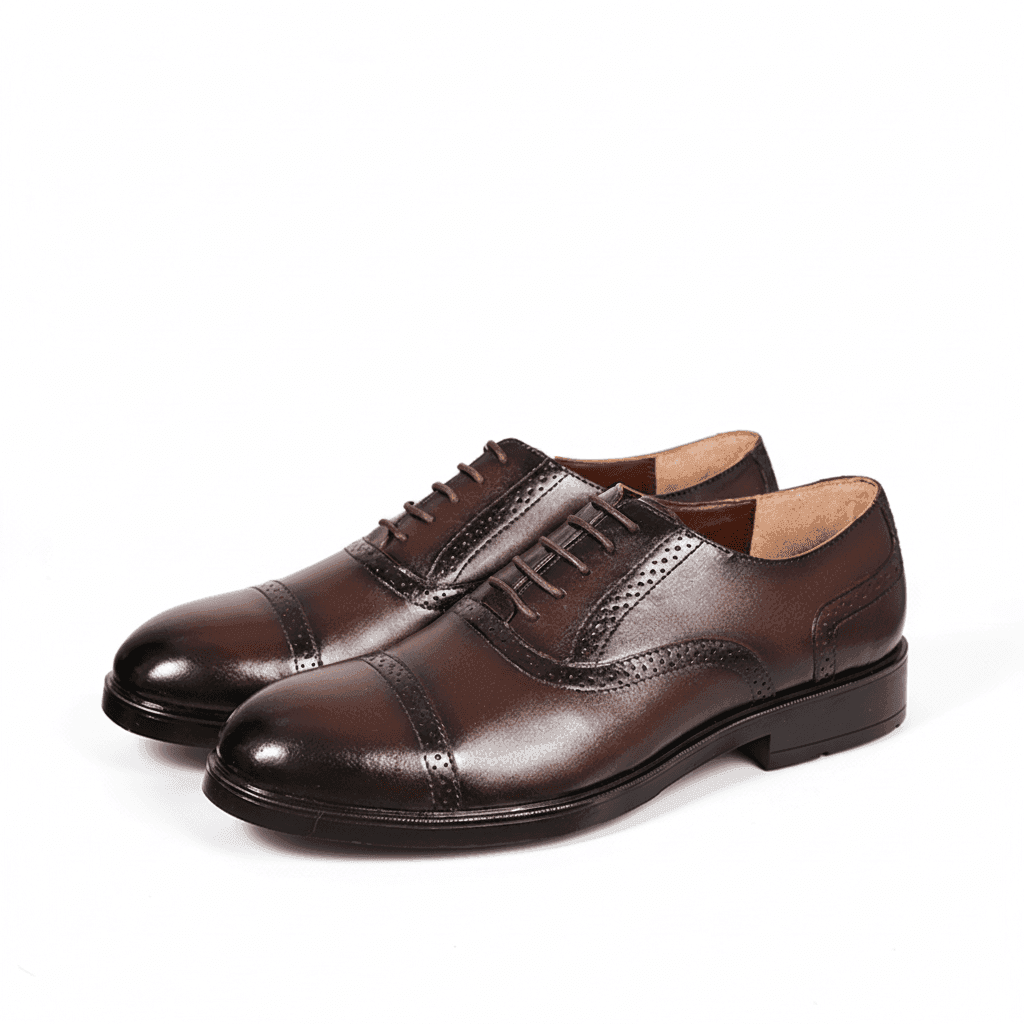
Oxford: closed lacing. The facings holding the eyelets are stitched under the vamp, so they pull together into a clean, closed V. This is the most formal silhouette because the line across the top of the foot is unbroken.
Derby: open lacing. The facings sit on top of the vamp and stay slightly open. Less formal, more adjustable, and noticeably more comfortable if you have a high instep or a wider foot.
Loafer: no lacing at all. A slip-on with a moccasin-style construction. The least formal of the three and by far the easiest to get on and off.
Which one is most formal?
In order: black oxford, brown oxford, black derby, brown derby, loafer.
A plain black oxford is the correct shoe for a wedding, a funeral, a court appearance or a formal interview. A derby is fine for daily office wear in almost any Nepali workplace. A loafer is smart-casual — good for a relaxed office, not right for a formal ceremony.
Which is most comfortable?
Derbies, for most people. Open lacing means the shoe can accommodate a high instep and can be loosened through the day, which matters if you walk a lot or if your feet swell in the afternoon.
Oxfords fit closely by design, so getting the size right matters more. Loafers have no adjustment at all, which is why loafer sizing is less forgiving than laced shoes.
Which should you buy first?
- First formal pair, formal workplace: black oxford.
- First pair, normal office: brown derby or brown oxford.
- You already own one formal pair: a loafer adds the most variety.
- You are on your feet all day: derby, or a cushioned loafer.
Where to look
Browse the Executive category for oxfords and derbies, or the full shop for the complete range including loafers and boots. Check the size guide first — loafers in particular are unforgiving if you guess.